Rome, the Eternal City, is a living museum where ancient history, Renaissance art, and baroque grandeur blend seamlessly with modern Italian life. With 2,500 years of civilisation layered into a single city, deciding what to see can feel overwhelming. This guide cuts through the noise and brings you the ten most iconic attractions you simply cannot miss — complete with insider tips on how to visit each one without wasting half your day in a queue.
Before You Go — Key Tips
- The busiest hours at most sites are 10am–4pm — arrive early or late to beat the crowds
- Book the Colosseum and Vatican Museums in advance — both sell out regularly in peak season
- A Roma Pass covers transport and priority entry to multiple attractions — good value for 3+ days
- Dress appropriately for religious sites: covered shoulders and knees required at the Vatican and churches
- Most central attractions are walkable — Rome's historic centre is compact and best explored on foot
The Colosseum
Rome's most recognisable icon and the largest amphitheater ever built. This 1st-century marvel once hosted gladiatorial contests, wild animal hunts, and public spectacles for up to 80,000 roaring spectators. Today visitors can explore its multiple levels, underground chambers where gladiators waited before combat, and the arena floor where history was made.
⚡ Skip-the-line tickets essential — queues regularly exceed 3 hours Book tickets →Book Your Colosseum Tickets Now
Skip the queue and secure your preferred date. Includes Roman Forum and Palatine Hill access.
Book Skip-the-Line Tickets →Vatican Museums & Sistine Chapel
Home to one of the world's most extensive art collections, the Vatican Museums house masterpieces gathered by popes across the centuries. The crown jewel is the Sistine Chapel, featuring Michelangelo's breathtaking ceiling frescoes and the monumental Last Judgement. With over 70,000 works of art spread across 54 galleries, plan your route strategically — the museums are vast.
⚡ Book skip-the-line tickets — the Vatican queue can be as long as the Colosseum'sSt. Peter's Basilica
The heart of Catholicism and one of the greatest architectural achievements in human history. Michelangelo's Pietà, Bernini's towering baldachin, and the vast dome that dominates Rome's skyline are just a few of its wonders. Climb to the top of the dome for the most spectacular panoramic views of the city — it's well worth the effort.
✓ Free entry to the basilica — arrive early to avoid crowds and security queues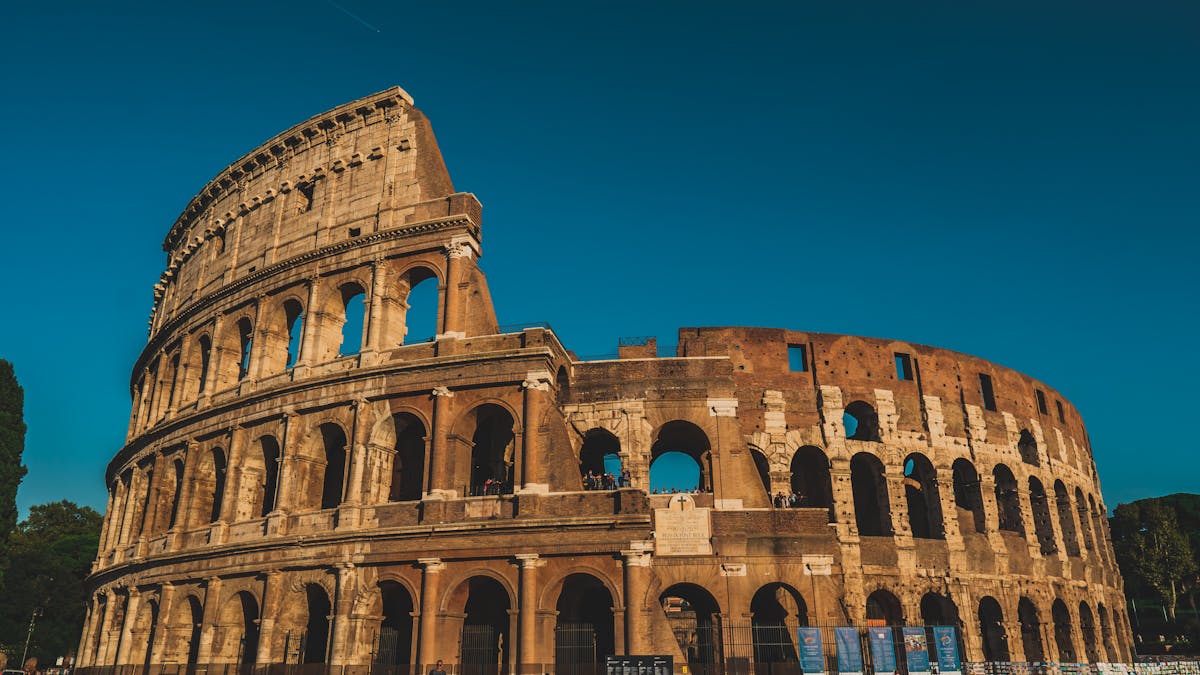
The Roman Forum — once the political and commercial heart of ancient Rome, right next door to the Colosseum.
Roman Forum & Palatine Hill
Once the beating heart of ancient Rome's public life, the Roman Forum is a sprawling complex of ruins covering temples, government buildings, and sacred spaces. Walk in the footsteps of Julius Caesar past the Temple of Saturn, the Arch of Titus, and the House of the Vestal Virgins. Palatine Hill, rising directly above the Forum, is where Rome's emperors lived — and where, according to legend, Romulus founded the city.
✓ Included free with your Colosseum ticket — plan at least 2–3 hours here Book combined ticket →The Pantheon
An architectural miracle that has stood virtually intact for nearly 2,000 years, the Pantheon features the world's largest unreinforced concrete dome. Originally a temple to all the Roman gods, it now serves as a church and contains the tombs of the artist Raphael and several Italian kings. The oculus — a 27-foot circular opening at the dome's apex — creates extraordinary shifting light effects throughout the day.
📅 Timed entry tickets now required — book online to guarantee entryTrevi Fountain
Rome's largest and most famous fountain draws enormous crowds around the clock. The baroque masterpiece depicts Neptune's chariot pulled by Tritons and seahorses — one wild, one docile — representing the unpredictable moods of the sea. Tradition says that tossing a coin over your shoulder into the fountain guarantees your return to Rome.
🌅 Visit at dawn or late at night for a crowd-free experience — it's open 24 hours"Rome is not like any other city. It's a jungle — beautiful, ferocious, and utterly alive."
The Spanish Steps
These 174 travertine steps connect Piazza di Spagna with the Trinità dei Monti church above, creating one of Rome's most photographed and romantic scenes. The steps are a beloved gathering place year-round, and especially magical in spring when they are adorned with cascading pink azalea flowers. Visit at sunset for golden hour views across the rooftops.
✓ Free to visit — arrive early morning to enjoy them without the crowdsBorghese Gallery & Gardens
Housed in a stunning 17th-century villa, the Borghese Gallery contains some of the most extraordinary sculptures ever created — including Bernini's Apollo and Daphne and Canova's Pauline Bonaparte. The surrounding Villa Borghese gardens offer a vast, peaceful green retreat from the city's intensity, with walking paths, bike rentals, and a picturesque lake.
📅 Entry strictly by timed ticket only — books out weeks in advance in summerPiazza Navona
Built over the ancient Stadium of Domitian, Piazza Navona is one of Rome's most elegant and lively public squares. Three magnificent fountains line the piazza, centred on Bernini's famous Fountain of the Four Rivers. By day it buzzes with street artists and outdoor cafes; by evening the fountains are illuminated and the atmosphere turns truly magical.
✓ Free to visit — evening is the best time for atmosphere and cooler temperaturesCastel Sant'Angelo
Originally built as Emperor Hadrian's mausoleum in the 2nd century AD, this circular fortress later served as a papal refuge, a prison, and a military stronghold. Today it houses a fascinating museum spread across five floors, and its terrace offers some of the finest panoramic views of Rome — including the full sweep of the Tiber River and St. Peter's dome. Look for the Passetto di Borgo, the secret elevated corridor that connected the castle to the Vatican, used by popes as an escape route during sieges.
📅 Book in advance to skip the ticket queue at the entrancePlanning Your Visit to Rome
With so many unmissable sights in one city, a little planning goes a long way. Here's what experienced Rome visitors recommend.
Essential Planning Checklist
- Book the Colosseum and Vatican Museums at least 48–72 hours ahead — both sell out in peak season
- Visit major sites before 10am or after 4pm to avoid the busiest period
- Consider a Roma Pass for unlimited public transport plus priority entry to multiple attractions
- Wear comfortable shoes — Rome's cobblestone streets and ancient sites involve a lot of walking
- Dress appropriately for religious sites: covered shoulders and knees are required
- Allow 4–5 hours minimum for the Colosseum, Roman Forum, and Palatine Hill combined
- Spring (April–May) and autumn (September–October) offer the best weather and fewer crowds than summer
Rome's treasures are truly endless, and these ten attractions only scratch the surface of what the Eternal City has to offer. Each site tells its own chapter in 2,500 years of history — and every visit, no matter how many times you return, reveals something new.
Start with the Colosseum
The Colosseum is Rome's unmissable number one — secure your skip-the-line entry before slots sell out.
Book Colosseum Tickets →